
Setting Goals with a Fun Twist
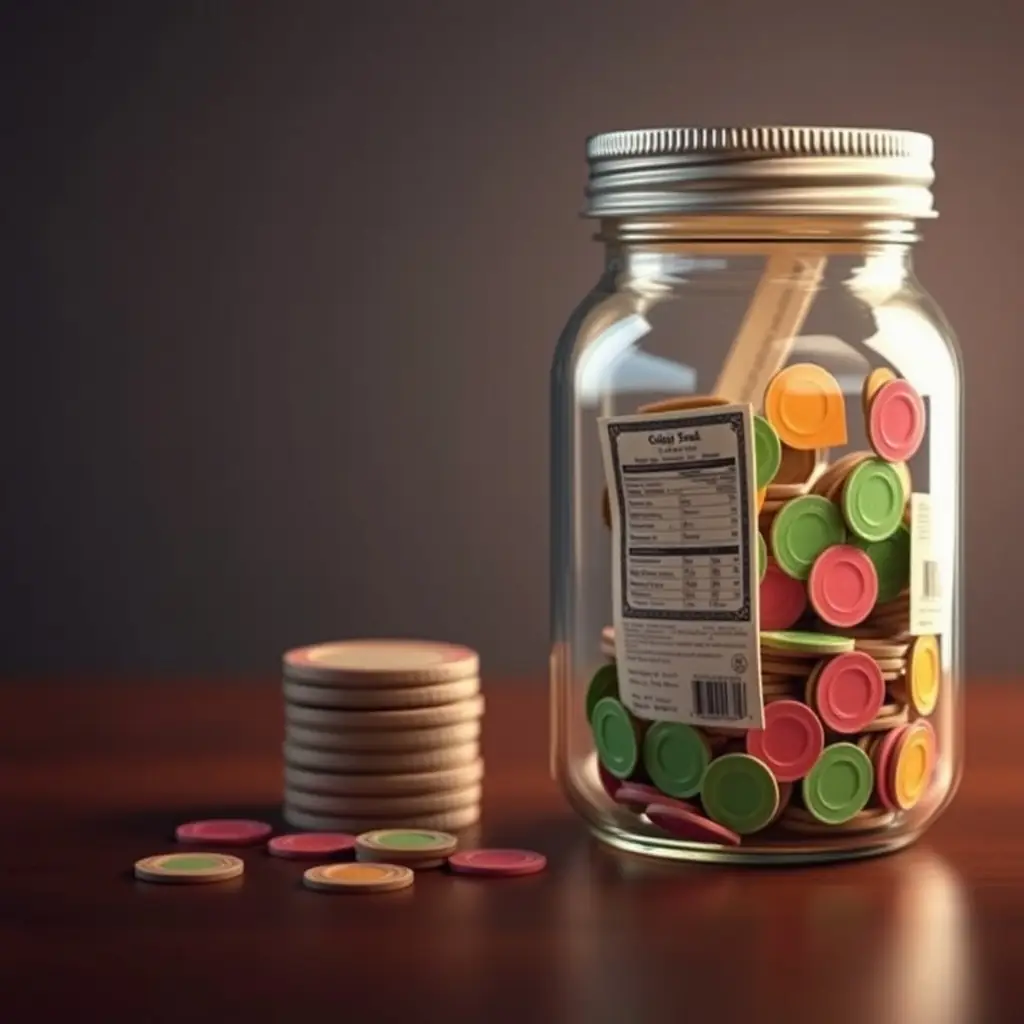
When it comes to teaching kids about saving money, making the experience relatable and engaging is key. I started by introducing goal-setting in a way that my children could understand. We created a visual savings tracker using a simple jar and colorful stickers. Each sticker represents a dollar saved, and they excitedly stick one on the jar every time they add to their savings. This not only makes the process tangible but also gives them a sense of accomplishment as they see their stickers (and savings) grow. Setting specific goals, like saving for a new toy or book, helps them understand the value of delayed gratification. I guide them to allocate small portions of their allowance or any money gifted to them during birthdays or holidays. It’s all about balance; they can choose to spend a little on treats or save for bigger aspirations. Encouraging them to decide what to save for also serves as a lesson in prioritizing their wants and needs, making savings a regular part of their lives without turning it into a chore.
The Magic of Automated Savings
As my kids got a little older, I introduced them to the concept of automated savings. Although banks don't provide savings accounts specifically for minor automation, we created a mini system at home. Every week, a portion of their allowance automatically goes into their ‘savings’ jar. The kids love the idea that they don’t need to remember to save— it just happens on its own. It mirrors how adults set up auto-deposits to savings accounts, providing them a way to understand real-world financial processes through simple means. I emphasize the importance of this mechanism as it nurtures the habit of regularly putting away money for future goals without the constant deliberation of whether to save or spend. Plus, it fosters excitement when they see the pile steadily growing without constant effort. Automating savings is like taking that ‘out of sight, out of mind’ philosophy and turning it into a helpful tool for financial growth. It’s been rewarding to watch them embrace this routine, building a foundation that they can carry into adulthood.

Understanding Different Account Types
Explaining the differences between account types can sometimes be tricky, but I simplified the lessons with examples they can relate to. We started at the kitchen table with their toys. Each toy represented a type of account: a piggy bank served as a checking account with easy access, while a bigger jar played the role of a savings account, meant for longer-term goals. We even set up a pretend ‘investment toy’ to symbolize more complex, interest-earning accounts, though I keep this concept light since it can be heavy for younger minds. The focus is on the idea that some money is meant to be used soon, while other funds are saved for future needs or potential growth. To reinforce this, I emphasize checking their balances and understanding when and why they’d want to tap into these accounts. With every lesson, it’s crucial to remind them to check for current numbers and seek advice if confused, as economics and personal finance are dynamic fields with changing rules and opportunities.