
Decoding Credit Scores and Their Impact
Understanding credit scores can feel like deciphering a secret code, but once you crack it, the benefits are clear. Your credit score is a three-digit number representing your creditworthiness based on your credit history. It affects everything from qualifying for loans to determining your interest rates. Scores generally range from 300 to 850, with higher scores showing you're a lower risk to lenders. I found that regularly checking my score helps me understand what lenders see when I apply for new credit. Keeping an eye on this number allows you to take proactive steps, like paying your bills on time and maintaining low credit card balances. I also make sure to review my credit report yearly for any errors or unauthorized activity. Remember, there are many factors at play, including payment history, credit utilization, and the length of your credit history—all impacting your overall score. Working on these aspects gradually helped me improve my score over time. It's rewarding to see the tangible benefits, like qualifying for lower interest rates on loans, which ultimately saves money in the long run. Make sure to verify the current score parameters from reliable sources as they can change.

Mastering the Use of Credit Cards Responsibly
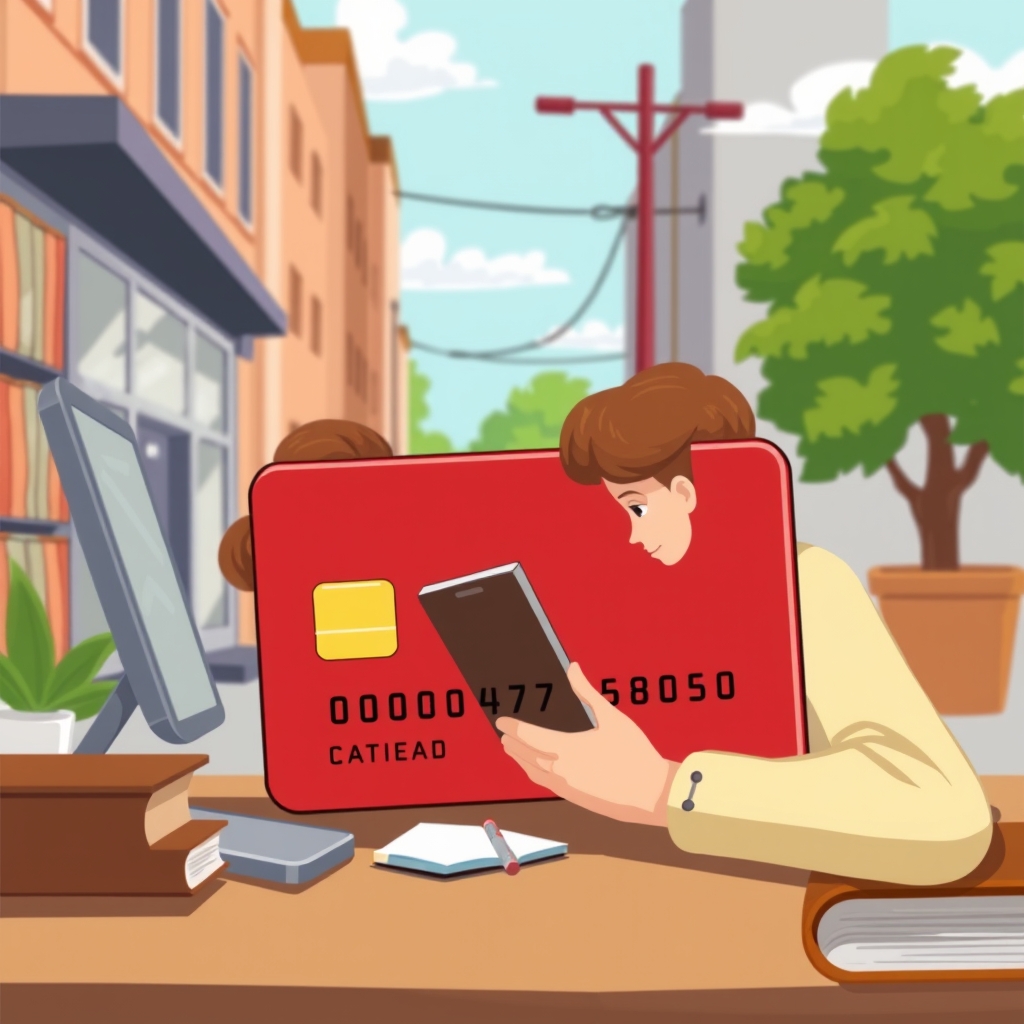
When I got my first credit card, the thrill was real, but so was the potential to overspend. Navigating credit card use responsibly requires understanding the fine print and planning ahead. A critical tip I follow is to always pay more than the minimum amount due each month. This habit not only reduces the principal debt faster but also minimizes interest charges. Another strategy I employ is the credit card rule of using only what I can pay off at the month's end. It helps in avoiding a cycle of debt accumulation and ensures my spending remains within my means. Keeping track of expenses, either manually or with budgeting apps, also benefits me greatly. There's a clear positive correlation between responsible credit use and credit score improvement. Over time, as you demonstrate reliably responsible behavior, your overall credit profile becomes stronger. Lastly, I’ve learned to take advantage of rewards programs, using them strategically to benefit from cash backs or travel points. It's crucial to balance these perks without letting them lead to unnecessary spending. The key is using credit cards as a tool for enhancing credit standing, not as a financial crutch.

Debt Elimination: Avalanche and Snowball Methods
Debt was a looming presence for me until I discovered effective strategies to tackle it head-on. Two popular methods, the avalanche and snowball strategies, offer structured approaches to debt reduction. The avalanche method targets debts with the highest interest rates first, which saves money over time by reducing the total interest paid. I worked out a list of my debts in order of interest rate and systematically focused payments accordingly. In contrast, the snowball method focuses on paying off the smallest debts first. This method creates quick wins, fostering momentum and motivation to continue. When starting, I looked at my financial situation and chose the avalanche method because of its long-term savings benefits. Others may prefer the psychological boost provided by the snowball method’s early victories. Either approach provides a roadmap to financial freedom, adapting it to fit your personal situation is key. Regularly reviewing progress and adjusting payments as necessary keeps me on track. These methods provide not just practical structuring but also set a mindset of dedicated effort toward debt resolution. If your debt situation is complex, chatting with a financial advisor might be worthwhile for additional customized guidance.