
Demystifying Credit Scores: What Really Counts
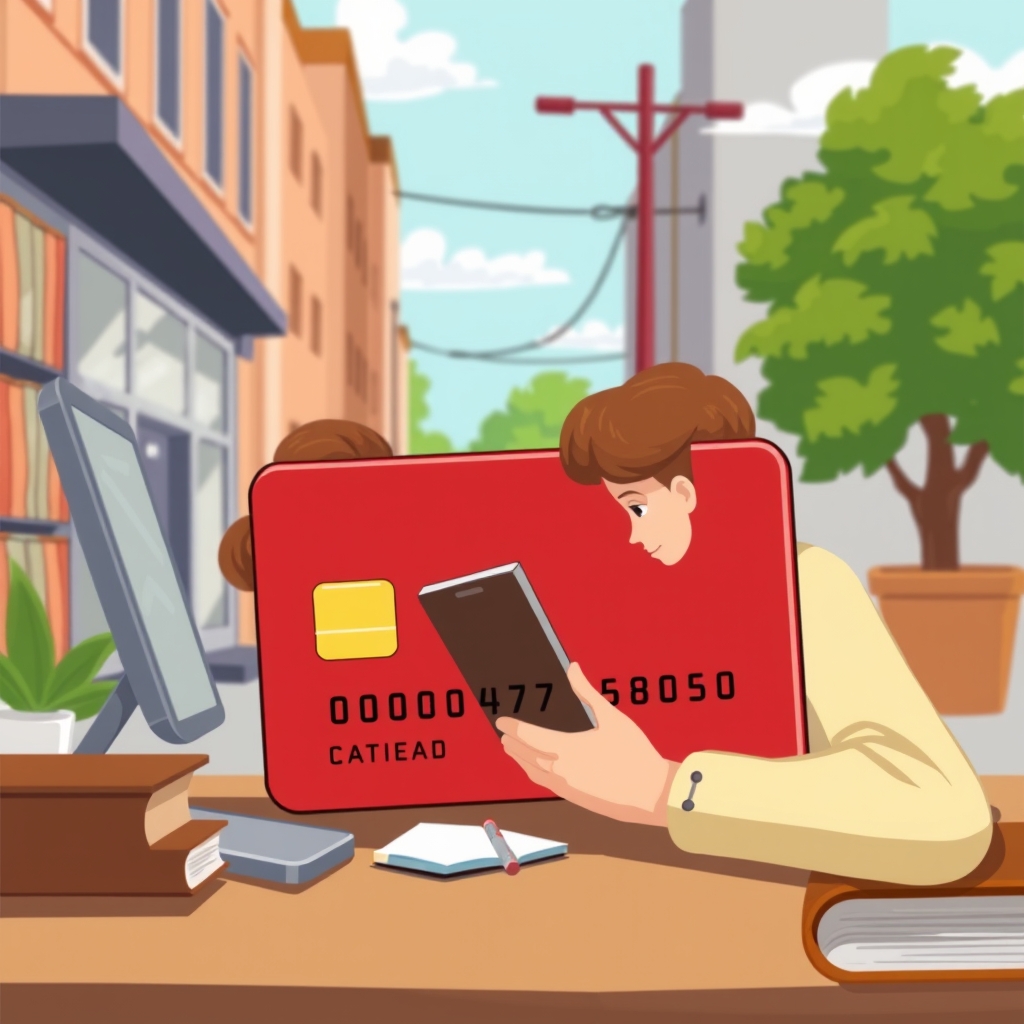
Your credit score is a mysterious beast, isn't it? I used to look at mine like some unpredictable weather pattern—random and uncontrollable. But I've come to realize it's more like a recipe. The ingredients? Payment history, credit utilization, length of credit history, new credit inquiries, and types of credit you have. Each is weighted differently; payment history makes up about 35% of the score, so those timely payments really add up. I remember the day I finally put this puzzle together. I was scrolling through my credit report, and it struck me how a missed payment two years ago weighed more heavily than the new car loan approval. That was my 'aha' moment. Understanding the formula shifted my entire approach to managing money. I keep an eye on my credit utilization, ensuring it stays below 30%. And whenever I pay down a balance, it's like seeing a gold star pop up on a report card. If only I'd known earlier: those credit card invites in the mail aren't a signal to open new accounts impulsively. Instead, they can be opportunities to diversify credit types strategically. Measuring credit effect isn't exactly like baking where you can tweak recipes without much consequence. Here, dropping one ingredient, like timely payments, can crinkle your entire score.
Building Credit: From Basics to Best Practices
Let's talk building credit. I'm no financial guru, but I've managed to elevate my score significantly over the years. First, I leaned heavily on my credit card usage. Buried in a sea of swipe temptations, I learned how to wield plastic like a responsible adult. I started small, paying off the balance each month to prove my creditworthiness. If I'm planning a bigger purchase, I maintain discipline by dividing the cost over two or three billing cycles to keep my utilization low. It's the difference between brandishing credit as a well-honed tool rather than a blunt weapon. In my early credit days, I even had cosigners to share the credit risk, a stepping stone worth its weight. Automating payments was a game-changer, too. It eliminated the 'Oops, did I pay the bill?' moments. And then, I considered credit-builder loans—even a couple hundred bucks can establish good standing. One day, I pulled out a spreadsheet and plotted out every financial tool in my arsenal against the advice I might offer to a friend wanting to boost their score. Seeing it there in black and white made me determined. Seeing progress bolstered my spirits. Yes, accruing a solid credit foundation involves delay of gratification, but the discipline pays you back in gold (well, lower interest rates at least).
Techniques for Taming Debt: Avalanche vs. Snowball
The debt dragon can be fierce, but managing it with a strategy turns you into the knight with the shiny armor. I was floundering under a pile of plastic debt myself. Searching for solutions led me to discover two main methods: avalanche and snowball. Avalanche focuses on prioritizing high-interest debt first—saving money on interest in the long run. When my credit card bills were sky-high, this approach made logical sense. Paying off that 18% per annum monster first? Check. But if tackling the smallest debts first better resonates with your emotional needs, the snowball method is perfect. By doing this, I managed to grab momentum from seeing small debts vanish. There's something invigorating about getting an elimination quick win under my belt. Seeing zero balances provided the mental boost I needed to tackle larger debts. Choosing between the two isn't about right or wrong—it's about finding what keeps your motivation alive. Fun fact: I applied both methods at different stages, depending on what I needed. By focusing on paying off one card at a time rather than distributing payments across all cards, I was able to see tangible progress. Success is not always linear, but with persistence and strategy, that debt dragon eventually shrinks to a shadow.