
Building an Emergency Fund in No Time
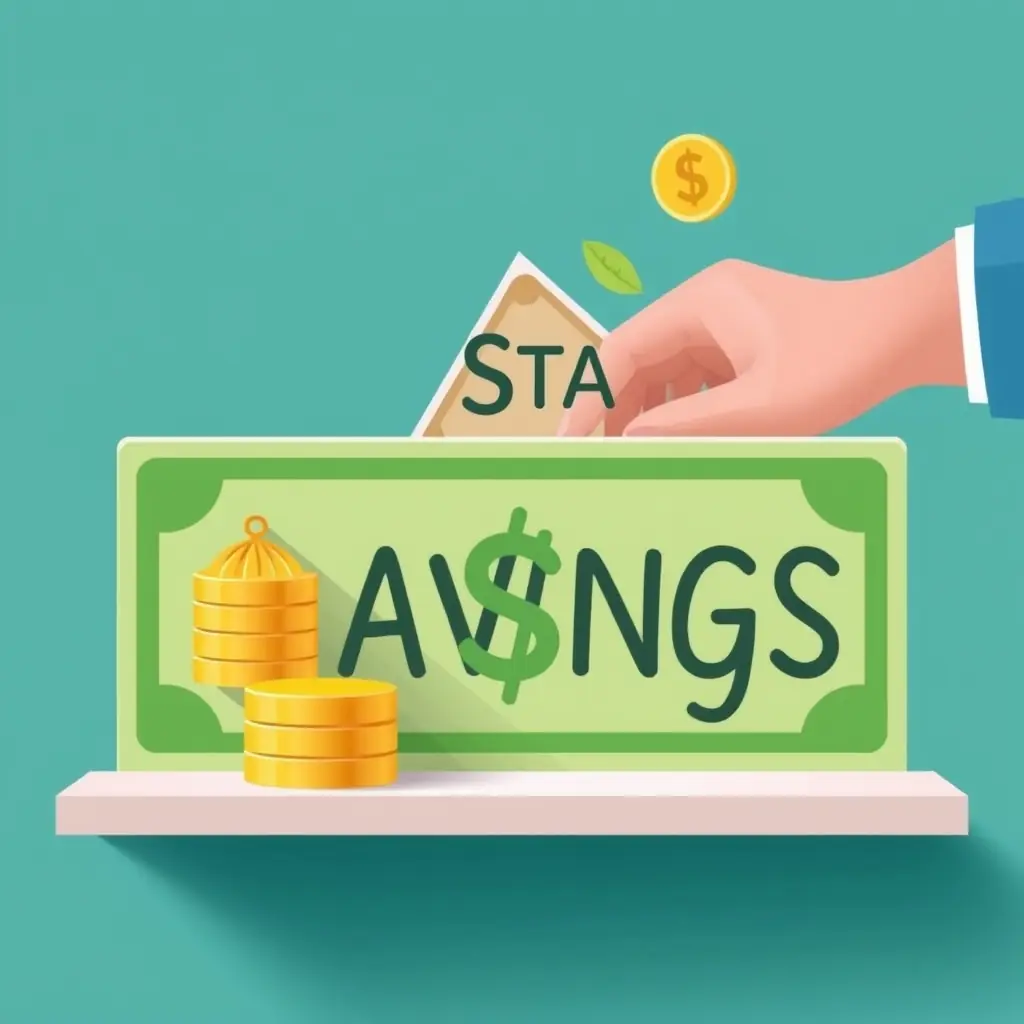
Creating an emergency fund can feel like climbing a never-ending mountain. But it does not have to be overwhelming. I remember the first time I tackled this financial milestone, it felt like a distant dream. Starting small is the key. I set aside just $5 a week. It seemed trivial at first, but over time, the habit of consistent savings turned into a solid emergency fund. When you automate the transfers, it becomes a no-brainer. Most banks offer automatic transfer features, allowing you to allocate a set amount from your checking to a savings account without lifting a finger. You'd be surprised how unseen, regular transfers build up over time. I found the cushion of a three-month expense fund empowering when my car unexpectedly needed repairs. Knowing you have a financial buffer reduces stress significantly. And remember, the aim is gradual growth. Start with a feasible goal: perhaps a $500 buffer and expand from there. Your future self will thank you. Just watch out for habits that can raid your fund without you noticing. Apps like Personal Capital can help track where every dollar goes, keeping your savings journey on the right track.

Automating Savings for Specific Goals
Setting financial goals is one thing; achieving them is another. For me, automation was the game-changer. When I decided to save for my dream vacation, I set up a separate high-yield savings account specifically for that. It felt more tangible, and naming the account 'Maldives Adventure' kept my motivation alive. Automating a modest monthly transfer, say $100 at first, was painless and meant consistent progress toward the goal. High-yield savings accounts are particularly advantageous because they offer better interest rates, ensuring your money works harder for you. Don't forget to review rates periodically since they can fluctuate. It's crucial to keep an eye out for accounts with no fees or minimum balance requirements. The beauty of automation is that you save without thinking, yet it pushes you closer to your dream. Even if it's just $50 initially, the regularity makes a difference. Brands like Ally or Marcus are known for competitive rates and user-friendly interfaces, making the saving process seamless. By automating, you're making a promise to yourself and your goals. With every month, that holiday becomes less of a dream and more of a plan.

Understanding Common Account Types Made Easy
When I first started saving, the financial jargon around account types baffled me. Traditional savings, money markets, certificates of deposit (CDs) – what's the difference? I gradually learned each serves a unique purpose. Regular savings accounts are perfect for building emergency funds because they are liquid, allowing easy withdrawals when emergencies strike. However, they typically offer lower interest rates. For slightly higher returns, money market accounts are an excellent alternative, especially for short-term savings goals. They let you earn better interest while still being relatively accessible, though they may require a higher balance. CDs, on the other hand, are ideal for longer-term financial targets. Once, I opted for a 12-month CD to save for a tech upgrade, and it worked like a charm because of the fixed rate. Be cautious, though—early withdrawals can incur penalties. It's essential to weigh your goals against these pros and cons. Each type of account can contribute to a balanced savings strategy. By understanding these, making informed decisions about where to park your money becomes less intimidating and far more rewarding.