
Learning Credit Management from 'Friends'
The 90s sitcom 'Friends' may be famous for comedy, but it offers essential credit management lessons if you pay attention. Remember Monica's struggle with her finances in the earlier seasons? Watching how she juggles expenses can help you notice when credit cards become a crutch rather than a tool. Television characters often deal with rent they can't afford due to fancy urban living. While it adds drama, for your finances, it's a reminder to live within your means. Credit cards work similarly. They can fund a lifestyle today that you'll pay for tomorrow. Shows can illustrate what happens when you ignore high-interest rates or miss payments—those plot twists where repossession or eviction looms. While fun to watch, they remind us not to let debts spiral. Evaluating your credit reports regularly and understanding the significance of a high credit score is vital. It's not just theory; improved scores help in buying a car or securing a job. If Monica taught us anything, it's to address financial hiccups before they balloon. Like any TV drama, a happy ending is possible with a plan and commitment to reducing debt.

Rebuilding Credit with 'Bojack Horseman'
The animated series 'Bojack Horseman' artfully blends entertainment with glimpses into personal redemption and responsibility, including finances. If you've experienced moments of financial irresponsibility, Bojack's ups and downs can be instructional. His narrative reminds us that rebuilding credit is a marathon, not a sprint. The show suggests that setbacks are natural, but persistence is key. Paying off debts and making timely payments matter significantly. Bojack's life illustrates the snowball method's effectiveness—focus on paying smallest to largest debt, creating momentum as you clear debts. Importantly, 'Bojack' exposes how toxic patterns can impede progress. Avoid relying on one-off payments to fix deep-seated issues. For real change, consistent budgeting and controlled spending habits are necessary. Bojack's struggles exemplify the necessity of self-awareness and patience. Recognizing mistakes, whether spending beyond limits or neglecting your credit report, is the first step. Corrective actions, like opting for a secured credit card or negotiating with creditors, should follow. 'Bojack Horseman' is more than dark humor; it echoes how personal fortitude and the right strategies can rebuild credit from the ashes of past choices.
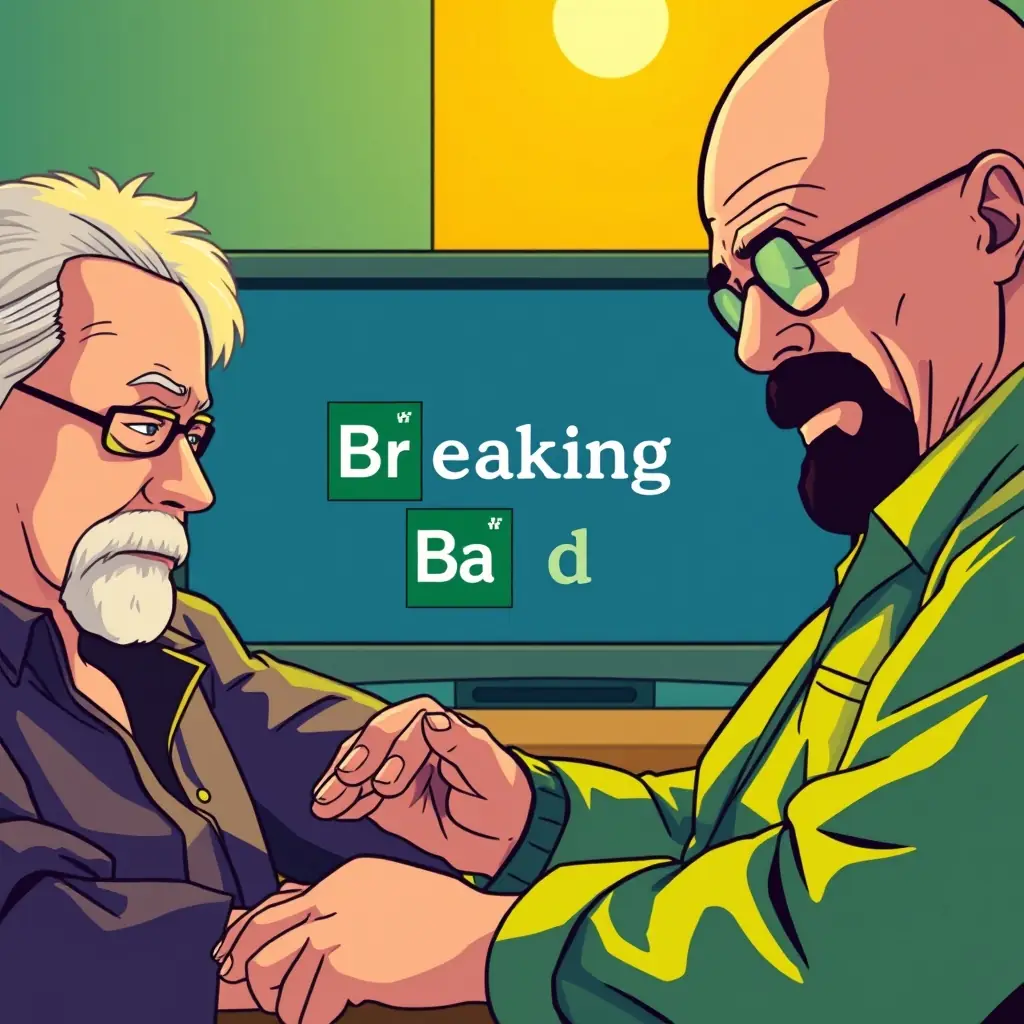
Understanding Credit Scores with 'Breaking Bad'
'Breaking Bad' might seem unlikely for financial lessons, but Walter White's transformation emphasizes how critical a good credit score is. As Walter expands his enterprise, the importance of his financial credibility becomes underscored. Our credit scores are snapshots of financial health, determining access to loans, apartments, and even jobs. Ignore it, and like Walter, we could face unforeseen limitations. Unlike his fictional world, in reality, late payments, high card balances, and bankruptcies significantly influence your score. Unlike 'Breaking Bad,' transparency and legality matter—regularly check reports from all three credit bureaus for errors. The avalanche method, paying the highest interest debts first, can improve both debt reduction and credit score. Walter's narrative also showcases the downfall of seeking quick fixes. A parallel to maintaining a good score is slowly building reliable credit habits. Educate yourself by reading terms of conditions on cards and loans. Knowing how compound interest works can save significant amounts and keep your score stable. In Walter's universe, actions have dire consequences. In ours, credit monitoring and responsible spending can prevent the financial chaos typically reserved for scripted drama.