Rethinking Your Credit Card Payments
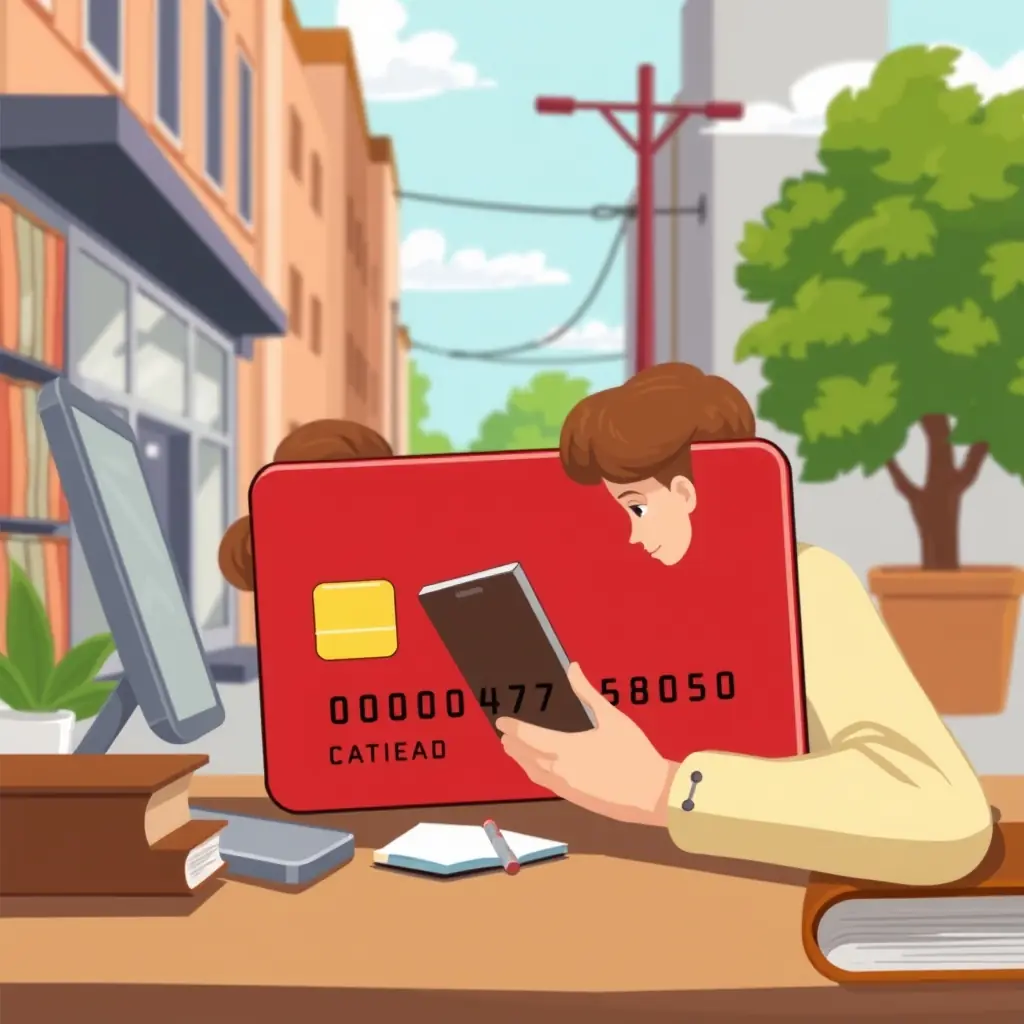
Every month, when my credit card statement arrives, I used to have that moment of dread as I scanned through each charge. Yet I've learned some tricks over the years to handle it without anxiety. The first game changer for me was the 'debt avalanche method.' By paying off the card with the highest interest rate first, I cut down on the amount of interest I would accrue over time. This strategy doesn't just save me money; it also gives me a psychological win each time I see my overall debt decrease. It’s unlike the 'debt snowball' method where you focus on the smallest balances first; while that can be motivating in its own right, the avalanche approach tackles the most financially draining balances first. Seeing interest charges grow smaller with each payment cycle is incredibly gratifying. Plus, each time I manage a substantial payment, I reward myself with a small luxury—like treating myself to an ebook or a coffee at my favorite café. The balance reduction provides tangible evidence that my financial health is improving, even if it's happening slowly. By flipping the payment schedule in favor of interest-heavy debts, I not only feel in control but am also watching future financial burdens lighten.
The Credit Score Balancing Act
Understanding and improving my credit score was another daunting aspect of financial management. It seemed like every action might have a hidden impact on that elusive number. After diving into the details, I realized effective management involves balancing utilization and timely payments. Keeping my credit utilization below 30% was the first step; this meant I treated my credit limit as a guideline, not a target. When I started tracking my score through a free service, I could see literal points shifting based on my spending habits. This real-time reflection was more than just a number; it was feedback on my financial behavior. I set up automatic reminders for bill payments—missing a due date, even by a single day, can be detrimental. When I couldn't pay a bill in full, I made sure to pay more than the minimum requirement, which helped me avoid falling deeper into debt. Over time, my credit score became a measure of my financial wisdom, not just a stressful statistic. If you are unsure about how different actions impact your score, many credit card companies now provide monthly score updates, making it easier to monitor and adjust habits as needed.
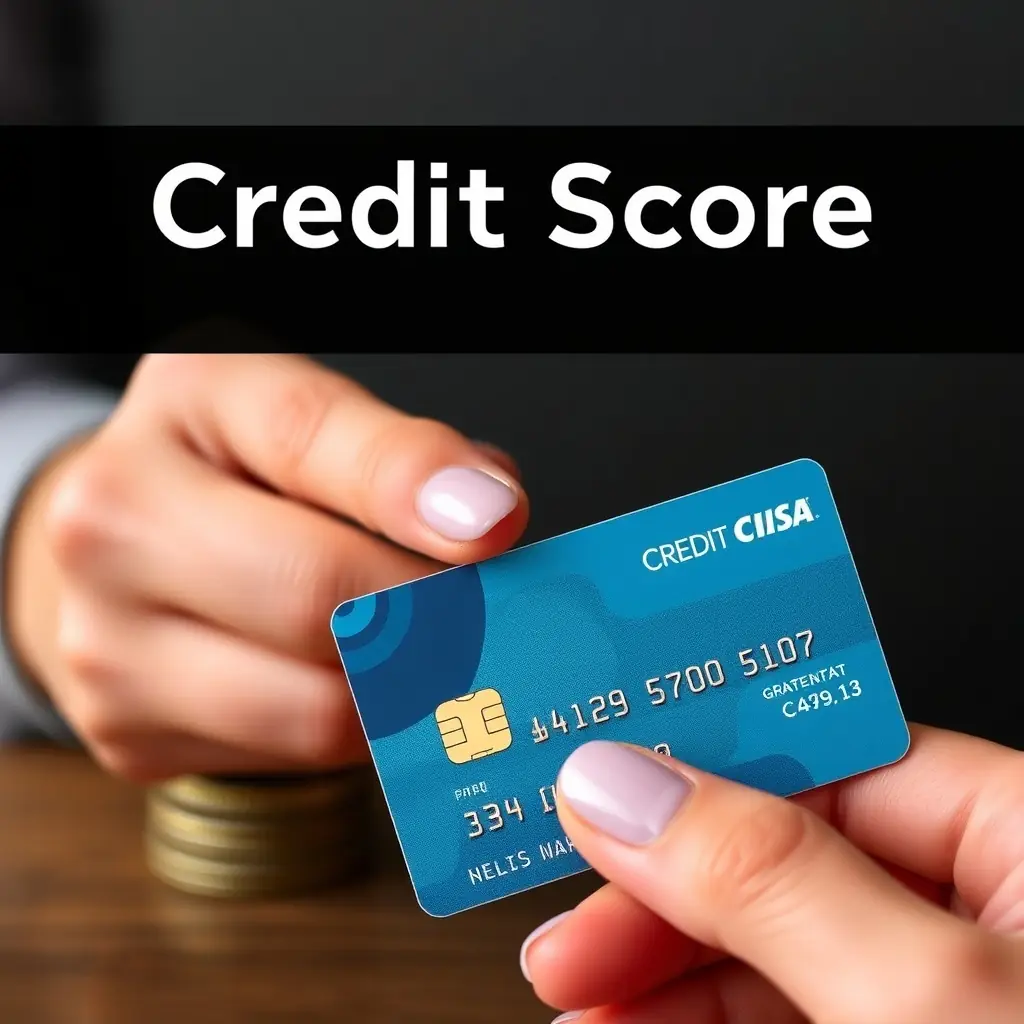
Reward Cards: Choosing Wisely and Using Cautiously
Who doesn't love the idea of earning rewards just for spending? That's how it felt when I first got my hands on a rewards credit card offering enticing points and cash back. But here's the trick—it's not as 'free' as it seems if you're not careful. I soon realized the importance of reading the fine print. With annual fees, changing reward categories, and interest rates that can spike unexpectedly, it's easy to get caught in a cycle where rewards end up costing more than they’re worth. So, what works? I've learned to match my credit card choice with my spending habits. I went for a card that aligns mostly with my everyday expenses—grocery shopping, fuel, and occasional travel. Each year, I review categories where I earn the most rewards and adjust accordingly. This also means resisting the temptation to overspend just for the sake of collecting points. Instead, I set a budget for what I can afford to spend on credit each month, ensuring rewards come as a bonus, not a dealbreaker for my finances. The key is treating reward points as an added bonus, not a primary reason to spend, thereby keeping my budget and financial goals consistently in the forefront.