
Understanding Your Credit Score
Your credit score is like a financial report card for adults, and understanding it is crucial for managing debt effectively. The score is calculated based on several factors: payment history, credit utilization, length of credit history, new credit accounts, and the variety of credit. Payment history, for instance, accounts for 35% of the score, making timely payments essential. Utilizing only 30% of your available credit is another important factor; going over this limit can negatively impact the score. Thankfully, many banks provide free credit score checks and reports. This can be a great first step in understanding where you currently stand. Once you have your score, you can identify areas to improve, such as reducing your credit card debt. By regularly checking your score and making payments on time, you'll be better prepared to deal with debt and improve your financial health over time.

The Snowball vs. Avalanche Methods
When you need to reduce debt, the snowball and avalanche methods are two strategies that can help depending on your financial style. The snowball method involves paying off the smallest debts first, providing quick wins that can boost your motivation to tackle larger balances. Conversely, the avalanche method focuses on debts with the highest interest rates. Although it may take longer to see a decrease in the number of debts, this strategy can save money on interest in the long run. As someone who's managed household finances, I find the snowball method offers emotional relief by showing progress quickly. However, the avalanche method appeals to those who focus on minimizing interest costs. Both methods have merits, and the choice often depends on whether immediate results or long-term savings are more important to you. Testing both could help you understand which one fits better with your financial goals.

Responsible Use of Credit Cards
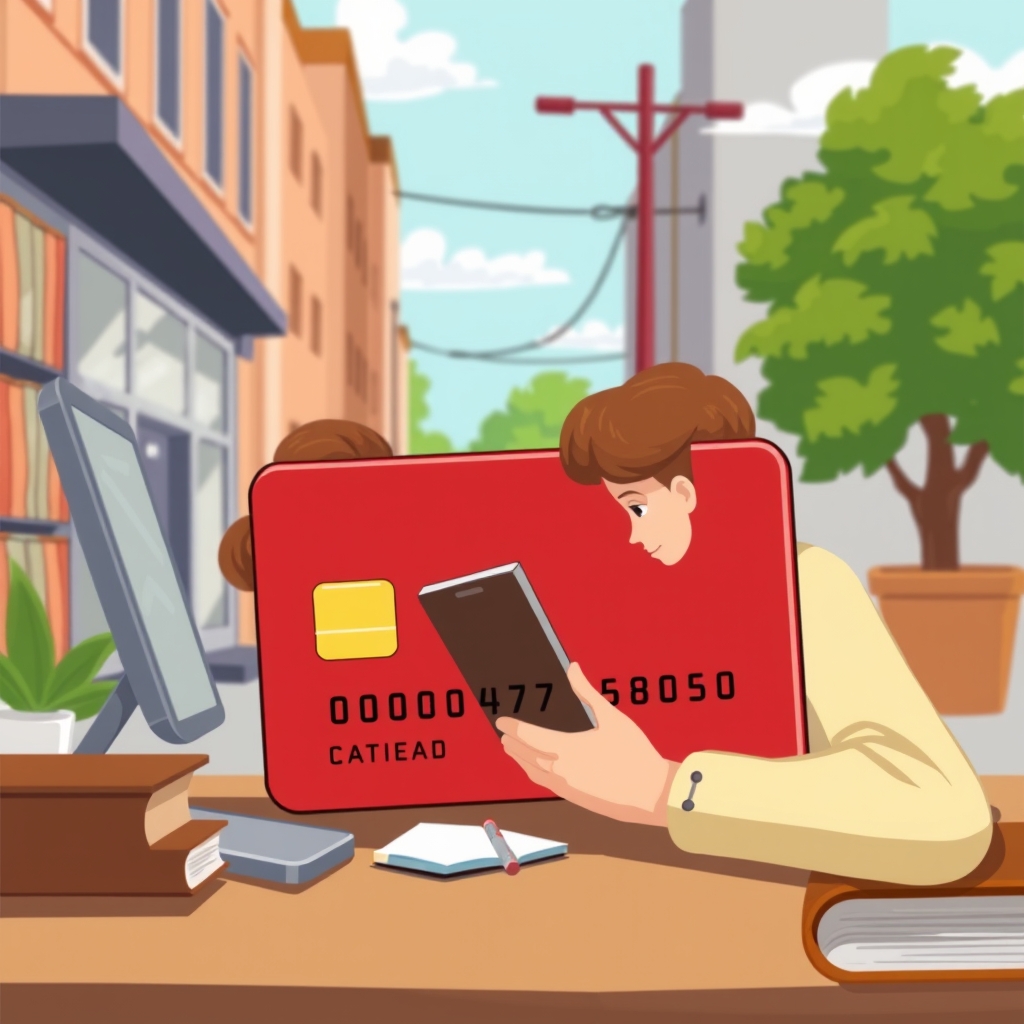
Credit cards can be both a friend and a foe. They offer convenience and the opportunity to build credit, but also pose a risk if not used carefully. Setting a monthly budget is the first step in ensuring you live within your means. I recommend limiting your card usage to essential purchases and always paying more than the minimum amount due. This avoids high interest charges and gradually lowers the balance. Additionally, keeping your credit utilization below 30% of your maximum limit is vital for a healthy credit score. Choose a card that offers rewards you'll actually use, like cashback on groceries if you're a frequent cook. It's not just about spending smarter but also about increasing awareness of how these habits affect your long-term financial health. By consistently managing your credit card payments responsibly, you can avoid the debt trap and even enhance your credit score over time.