

The 50/30/20 Rule for Travel Planning
When it comes to managing money for vacations, the 50/30/20 rule is a lifesaver. I always allocate 50% of my travel budget to essentials like transportation and accommodations. This way, I ensure that all the basics are covered without compromising on quality. Next, 30% goes towards discretionary expenses such as dining out, entertainment, and those spontaneous excursions to local attractions. Staying flexible with this portion allows me to enjoy the trip fully without unnecessary financial stress. The last 20% serves as a savings buffer or emergency fund, just in case something unexpected arises like medical expenses or last-minute flight changes. This separation helps keep my travel experience smooth while protecting against unforeseen expenses. Sticking to this structure doesn't mean you have to sacrifice fun; rather, it gives you the freedom to explore within a reasonable framework. The trick is to decide what truly matters to you on the vacation and allocate funds accordingly, letting you savor your experiences without the financial hangover once you return home. Remember, vacations are meant to be enjoyed, not regretted on your bank statement.

Envelope System for Vacation Expenses
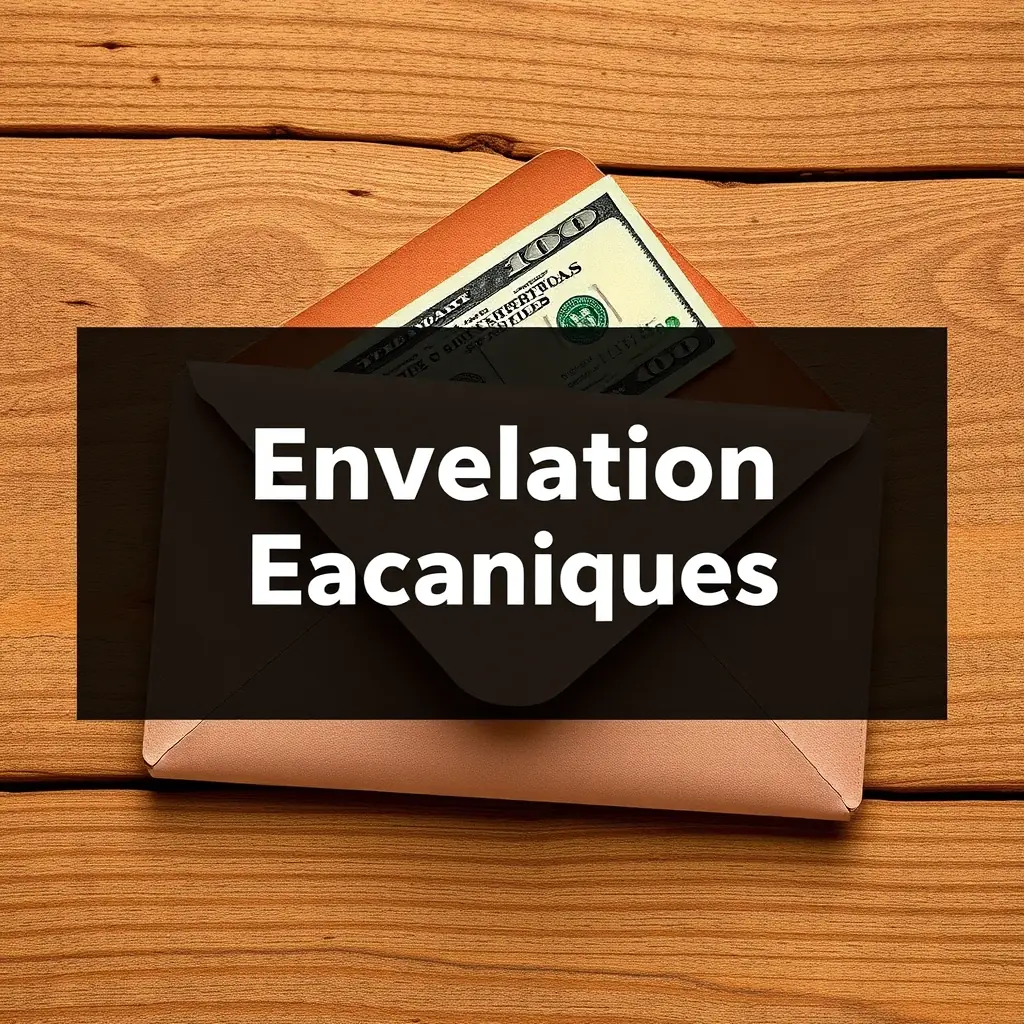
Adopting the envelope system can revolutionize how you manage your vacation funds. Before a trip, I set aside envelopes labeled for specific categories: food, activities, and souvenirs, to name a few. Each envelope holds a predetermined amount of cash, trimmed from the broader vacation budget. The beauty of this approach is the tactile experience of handling cash, which makes you more aware of your spending habits. Once an envelope is empty, it's a clear signal to stop spending in that category, prompting me to prioritize what's truly important. This method brings discipline to vacation spending, which can easily spiral out of control when relying on cards alone. Plus, using cash allows you to keep a closer eye on fluctuating exchange rates if traveling abroad. Credit cards can come in handy for emergencies, of course, but limiting their use for day-to-day expenses helps maintain budget integrity. While it might seem old-fashioned, the envelope system offers a straightforward way to prevent overspending and make conscious financial decisions while enjoying your vacation.
Managing Irregular Income for Travel
Handling irregular income requires a different budgeting approach, especially when planning vacations. I've found that setting up a separate travel fund is essential, treating it like a recurring expense every month. Whenever I receive a paycheck, a percentage automatically moves into this fund, even when income varies. This ongoing commitment ensures there's always a financial cushion specifically for travel, smoothing out the peaks and valleys of unpredictable earnings. During months with a surplus, I'll allocate more into the fund, but under leaner conditions, I don't stress as much because the baseline amount has already been set aside. Planning travels with this buffer in mind allows me the flexibility to seize last-minute deals or extend stays without the guilt of raiding another budget bucket. The key is consistency: regardless of income fluctuations, maintaining regular contributions helps prevent financial strain and lets me enjoy my vacations without constant budget anxiety. It's a proactive way to travel stress-free, ensuring that vacations remain a time to unwind instead of a source of financial pressure.