
Finding Balance with the 50/30/20 Rule
When I first started budgeting, balancing necessities, wants, and savings felt overwhelming. The 50/30/20 rule was my lifeline. I allocated 50% of my post-tax income to essentials like rent and groceries, while 30% went to personal desires—dining out, perhaps a Netflix subscription. But it was the remaining 20% designated for savings that began to shape a responsible financial future. It was surreal how much a simple formula could offer clarity and direction. I found using tools like spreadsheets or even budgeting apps helpful in tracking my expenses against these categories. They turned my cluttered bank statements into easily digestible pie charts, immediately flagging overspending in the wants category. Adjusting these percentages slightly worked for me during financially stressful times—like suddenly needing to repair a car or facing medical expenses. The trick was to reevaluate every few months, ensuring the budget stayed relevant to current circumstances. If something unexpected cropped up, adapting was key. The 50/30/20 rule isn’t etched in stone; it’s a framework that bends with your life, which is why it works so well. It’s basic, yet it builds a financial discipline that is adaptable, making you less likely to reach for the credit card out of necessity.

Zero-Based Budgeting: A Method for Total Control
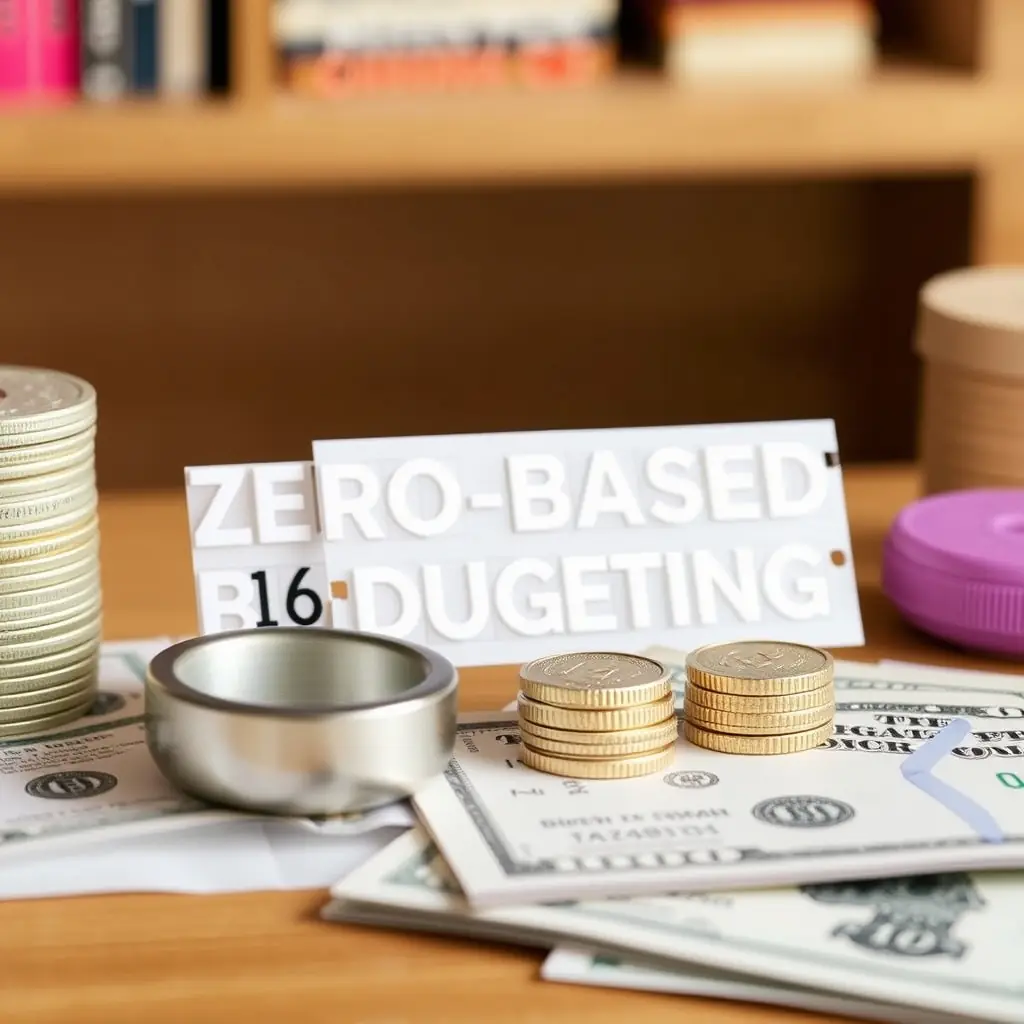
The concept of zero-based budgeting changed my approach to handling finances fundamentally. Every dollar has a purpose, leaving no room for squandered funds. The key was to plan every month's budget from scratch, aligning with my income—spending or saving every dollar on paper first. What surprised me was how comprehensive this method is; you account for everything, even your 'fun' money. I found myself more conscious of frivolous spending because it had to be deliberately planned. It was like permission to enjoy, but with responsibility. During months of irregular income, common in freelance work, this was a godsend. I knew beforehand where cuts could be made because everything was pre-determined. The most effective tactic I employed was reviewing expenses from the previous month to anticipate any recurring ones. I would then slot these into the new budget while allocating remaining funds to priorities and goals. The flexibility of zero-based budgeting is fantastic—it feels tailored month by month. Some might find it too labor-intensive, but I argue the time spent pays off with less financial anxiety. For anyone dealing with fluctuating income, this methodology offers the structure to prepare for feast and famine alike.
Managing Major Life Changes with Envelope Budgeting
I remember transitioning to a new city and feeling untethered financially. That’s where envelope budgeting came into play and offered a tangible grasp on money management. While it sounds old-fashioned, the tactile experience of sorting cash into physical envelopes for different spending areas worked wonders in a new environment. Each category—housing, groceries, utilities—had its envelope, only filled to the brim when funds allowed. This method forced me to confront my real costs head-on each time an expense arose. It beautifully aligns with the age-old wisdom of living within your means. The occasion of an empty envelope meant I had to freeze spending in that category until the next payday. It imposed a discipline that digital numbers on a screen never could. Budgeting this way during big life changes instilled financial self-control I hadn’t known before. It’s not the most convenient with cashless transactions on the rise, but the principles remain the same when formatted digitally in spending apps. The visual limitations each envelope represents are a powerful tool for anyone experiencing a major life upheaval or trying to start anew. Despite the method's simplicity, it prevented plenty of financial missteps along my way.