Building Your First Budget
Crafting a personal budget can seem daunting at first, but I found starting simple made it manageable. The key lies in understanding your income and expenses. Begin by listing your monthly net income, what actually ends up in your bank account. From there, track all your expenses. I used a basic spreadsheet to categorize essentials like rent, utilities, groceries, and transportation, alongside non-essentials like dining out and subscriptions. This gave me a clear picture of my financial habits. One mistake I made early on was underestimating irregular expenses—those once-a-year insurance premiums or car maintenance costs. It's crucial to factor these into a monthly savings goal to avoid nasty surprises. On the behavioral side, developing a routine—checking in weekly or bi-weekly on your financial status—helps identify trends before they become issues. For those just starting, the 50/30/20 rule is a solid guide: 50% needs, 30% wants, and 20% savings. Adjusting these proportions based on personal circumstances is vital, especially if saving for big goals like buying a home or traveling. Remember, budgeting isn't a one-size-fits-all solution, but a flexible plan that evolves with your financial life.

Exploring Budgeting Methods
When I first started budgeting, I dabbled with several methods to see what fit my lifestyle best. Each has its perks and challenges. Take the zero-based budget: it's where every dollar is assigned a purpose, whether it's for groceries or that online subscription. I found this method tremendously beneficial for ensuring no dollar was wasted, but it required discipline and regular adjustments. Next, the envelope system—a friend of mine swears by it. Here, you allocate cash to different categories in envelopes, which took me back to the basics and helped curb overspending. However, in an increasingly cashless world, adapting it digitally with apps helped bridge that gap. Lastly, there's the 50/30/20 rule I mentioned earlier. It offers flexibility without losing structure. It's a great starting point, especially if you're dealing with varied income. Each method teaches you about spending habits and where exactly your money goes. In my experience, blending methods can sometimes yield the best results, allowing for structure where needed and flexibility for life’s unpredictabilities. Understanding the core principles of each can make transitioning between them smoother depending on changes in income or financial priorities.
Budgeting through Big Changes
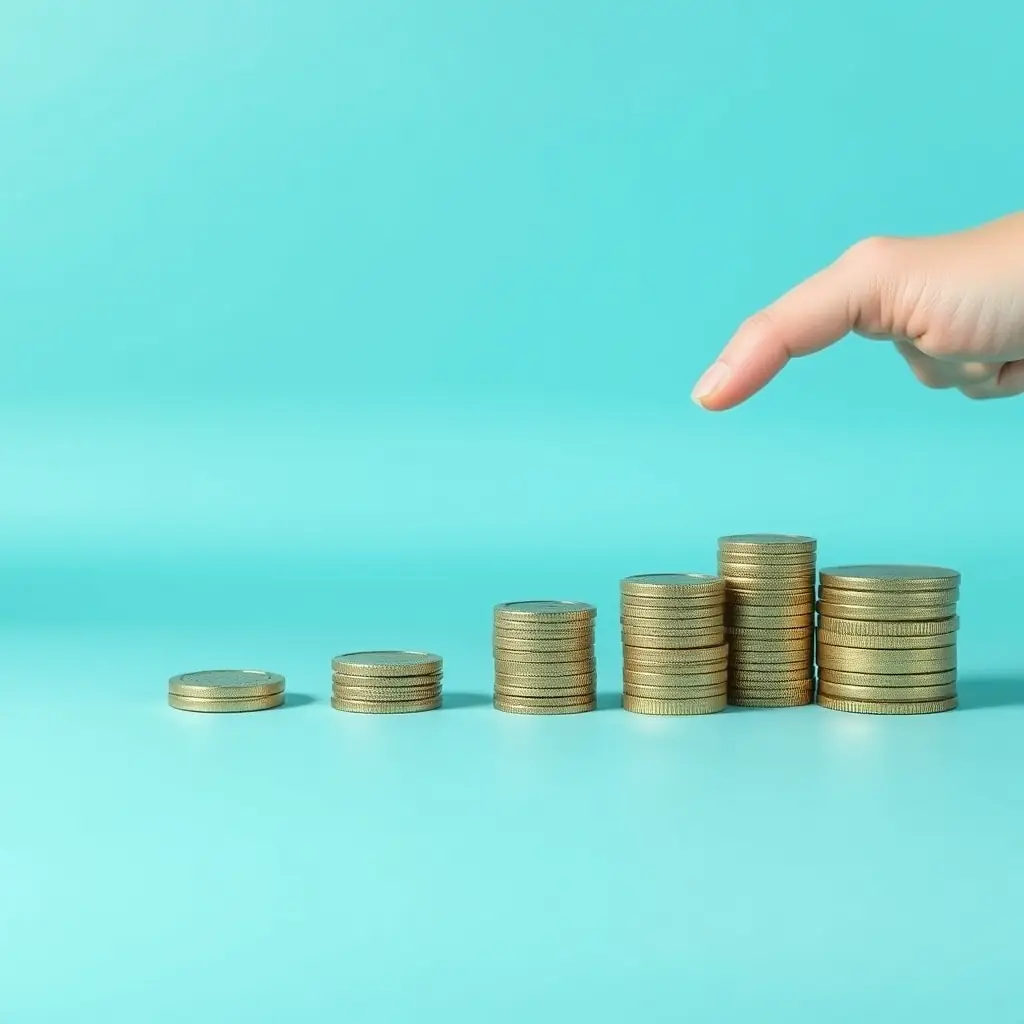
Life changes can throw a wrench into your budgeting efforts, but I've learned they can also be great opportunities to reassess financial priorities. When I switched jobs with an irregular income, maintaining my budget became a juggling act. The unpredictability made it necessary to create a ‘buffer’ category—money set aside during high-earning months to cover potential shortages later. This was especially helpful during times when my gigs didn’t line up as planned. Another big change was moving cities. Costs like moving services and initial months' rent piled up quickly. By preparing a budget well in advance, earmarking savings specifically for the move, I navigated these costs while keeping essentials covered. During these transitions, regular financial check-ins became more frequent—as did conversations with my partner about shifting priorities. What's important is not to panic. Approach the situation practically: adjust spending limits, delay non-essential purchases, and keep tracking every penny religiously. If the changes seem overwhelming, don't hesitate to consult a financial advisor, as their insights can provide clarity and direction. Everyone's financial journey is different, but having a sensible, adjustable budget as your anchor makes all the difference when winds of change blow.